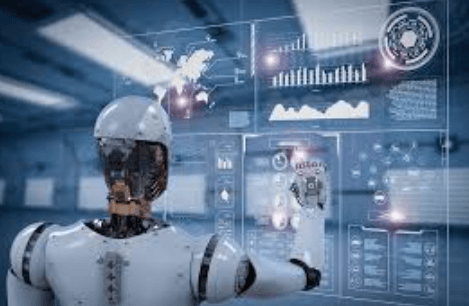
The Role of AI in Cybersecurity

AI in cybersecurity anchors data-driven automation and real-time detection across complex environments. It enables disciplined lineage, continuous monitoring, and proactive governance, while automating threat collection, analysis, and response at scale. Real-time analytics support scalable containment and context-aware decisions. Practical use cases emerge in threat hunting and forensics, guided by unified telemetry. Yet ethical governance, transparency, and stakeholder collaboration are essential to sustain trust and defender autonomy as systems evolve, inviting readers to consider the next actionable steps.
How AI Elevates Cybersecurity: Foundational Capabilities
AI enhances cybersecurity by automating data collection, threat detection, and response at scale. In this frame, foundational capabilities empower resilience through disciplined data lineage, ensuring traceability across systems, and vigilant monitoring to detect model drift before impacts compound.
The approach emphasizes risk-aware planning, actionable governance, and scalable controls, enabling informed decisions while preserving autonomy and freedom within secure, adaptive networks.
Real-Time Detection and Automated Response: Speed Without Sacrifice
Real-time detection and automated response extend the foundations of scalable security into immediate action, bridging data-centric vigilance with rapid containment.
The approach leverages real time data to trigger automated containment, while scalable analytics power proportional, context-aware responses.
Continuous learning refines detections and minimizes disruption, preserving freedom to operate, and enabling proactive defense without sacrificing speed or precision.
Practical Use Cases of AI in Threat Hunting and Forensics
Analysts leverage threat intel to map attack patterns, detect social engineering campaigns, and correlate events across unified telemetry.
AI-guided workflows strengthen zero trust postures, enabling rapid containment, rigorous attribution, and actionable insights while preserving defender autonomy and operational freedom.
Risks, Ethics, and Governance: Building Trustworthy AI Security Solutions
The shift from practical AI-enabled threat hunting and forensics to trustworthy security solutions centers on managing risk, ethics, and governance to sustain defender autonomy while preserving accountability.
This approach emphasizes risk governance, explicit ethical considerations, and security transparency to ensure durable trust, responsible innovation, and resilient defenses.
Strategic implementation requires clear standards, auditable practices, and ongoing stakeholder collaboration for freedom-respecting security outcomes.
Frequently Asked Questions
How Does AI Handle Zero-Day Threat Detection Beyond Signature-Based Methods?
AI leverages behavior-based signals, not just signatures, for zero day detection, enabling anomaly scaling across environments; it prioritizes alerts, validates risks, and prompts strategic containment, balance freedom with caution, and pursues actionable, risk-aware remediation.
What Are the Limitations of Explainability in Ai-Driven Security Decisions?
Silhouettes of prudent captains warn that explainability in AI-driven security decisions faces explainability tradeoffs and trust calibration challenges; transparency can expose vulnerabilities, yet strategic auditing and governance enable informed risk-taking for autonomous yet accountable defense.
See also: What Is Solana?
How Is Adversarial Evasion Addressed in Ai-Powered Defenses?
Adversarial evasion is mitigated through adversarial resilience, layered defenses, and continuous evolution of models. Defense analytics identify patterns, stress-test hypotheses, and guide strategic adjustments, enabling resilient operations without compromising freedom or innovation in proactive security postures.
Can AI Replace Human Analysts in Cybersecurity Operations?
Like a comet, AI cannot replace human analysts in cybersecurity operations; it augments them. The approach emphasizes AI ethics and data governance to guide risk-aware, strategic, actionable decisions that preserve freedom while leveraging human judgment.
What Privacy-Preserving Techniques Protect Data Used for AI Training?
Data anonymization and federated learning protect data used for AI training. The approach is risk-aware and strategic, enabling actionable privacy without compromising insight, supporting freedom while maintaining robust defenses and governance in distributed, collaborative security initiatives.
Conclusion
In sum, AI amplifies cybersecurity by automating data collection, enabling real-time detection, and orchestrating rapid, context-aware responses. This elevates resilience while keeping governance and transparency at the forefront. A practical example: an enterprise uses AI-guided threat hunting to triangulate network anomalies, user behavior, and threat intel, triggering containment and forensic workflows within minutes rather than hours. While powerful, governance, audits, and defender autonomy must remain central to prevent missteps and sustain trust.