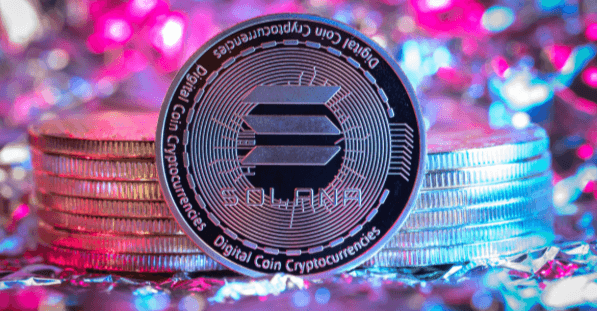
What Is Solana?

Solana is a high-throughput blockchain designed for scalable, low-cost operations. It uses a unique Proof of History mechanism to timestamp events and speed up consensus. This structure aims to deliver fast finality and broad network throughput for DeFi, NFT, and Web3 applications. While it offers low fees and strong tooling, questions remain about security, reliability, and governance, leaving readers to weigh performance against risk as adoption grows.
What Problem Solana Solves for Users and Developers
Solana addresses the need for scalable, low-cost blockchain infrastructure by offering high throughput, fast finality, and low transaction fees. The platform mitigates bottlenecks faced by traditional chains, enabling reliable user experiences and predictable costs.
It supports solana scalability goals and accelerates developer onboarding, reducing friction for building applications. This clarity fosters freedom through accessible, efficient, programmable networks and rapid experimentation.
How Solana’s Tech Works: Consensus, Proof of History, and Networks
Solana’s architecture centers on achieving high throughput and low latency through a combination of consensus, a novel timekeeping mechanism, and interlinked networks. The system blends a unique Proof of History with a rapidly synchronized network, enabling streamlined validation and ordering of transactions.
Key features include scalable consensus decisions, efficient message propagation, and explicit emphasis on Solana scalability and the Consensus mechanism.
What You Can Build on Solana: Use Cases and Ecosystems (Defi, NFTS, Web3)
The Solana ecosystem supports a broad range of use cases across decentralized finance (DeFi), non-fungible tokens (NFTs), and general Web3 applications, underpinned by high throughput, low latency, and cost-efficient transactions.
Developers deploy scalable DeFi protocols and NFT marketplaces, leveraging Solana’s architecture for rapid settlement and composability.
Use cases emphasize DeFi scalability, robust asset minting, and interoperable, user-centric Web3 experiences.
See also: headlinebusinessnews
How Solana Compares to Other Blockchains and How to Get Started
Compared with other blockchains, Solana emphasizes throughput, low latency, and low transaction costs, aiming to support a wide range of scalable applications, from DeFi to NFT marketplaces.
The comparison highlights faster finality, ecosystem breadth, and developer tooling, while cautioning about Solana onboarding challenges and Solana security concerns, including network outages and validator risks, which affect governance, reliability, and user trust.
Conclusion
Solana delivers high-throughput blockchain performance with Proof of History-driven timing, enabling fast, low-cost transactions for DeFi, NFTs, and Web3 apps. Its architecture emphasizes scalable networks and predictable fees, supported by extensive tooling and vibrant ecosystems. Critics point to outages and validator risk, yet ongoing improvements aim to bolster reliability. By outperforming traditional chains on throughput while maintaining low costs, Solana presents a compelling platform for developers seeking scalable, user-friendly blockchain infrastructure—provided oversight and security measures keep pace with growth.